After-Hours Dental Emergency Support
Emergency dental contact information: (512) 345-2170
We understand that emergencies arise at the most inopportune time. We do offer after hours emergency service for your convenience. If the office is closed, up to date doctor phone numbers will be provided so you can reach us promptly.
If you are having problems breathing because of an infection or trauma. Please go directly to your nearest emergency room.
We hope we can be of service to you and your family.
Our Emergency Dental Care Services
Dental emergencies often strike without warning—even outside of normal office hours. Whether you’re dealing with sudden pain, an injury, or damage to your teeth, knowing how to respond can help protect your oral health. Some situations clearly require immediate attention, while others may seem minor but still need a prompt evaluation from a dentist. Here’s what to do in common dental emergencies:

Chipped, Cracked, or Broken Tooth
Rinse your mouth gently with warm salt water to keep the area clean. Apply a cold compress to the outside of your face to reduce swelling and discomfort. Contact your dentist right away. If possible, bring any broken tooth fragments with you in a moist cloth or gauze.
Loose or Knocked-Out Tooth
If a tooth is loose or has been knocked out, carefully hold it by the crown (top) and try to place it back in its socket. If it’s dirty, rinse gently without scrubbing or removing any tissue. If you can’t reinsert it, store it in milk or keep it inside your mouth under your tongue. Seek emergency dental care immediately—time is critical.
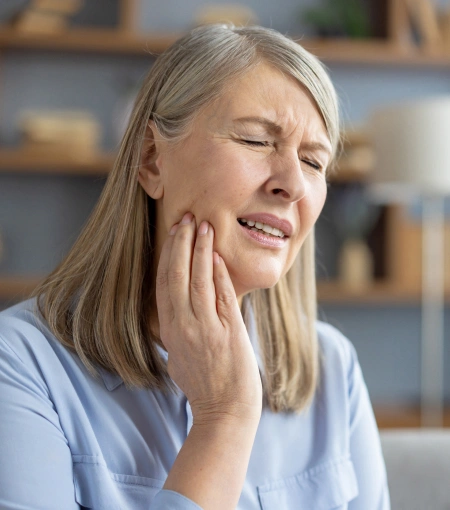
Severe Tooth Pain
Persistent or intense tooth pain can indicate infection or other serious issues. Avoid self -medicating with painkillers; instead, contact a dentist promptly for proper diagnosis and treatment.
Bitten Lip or Tongue
Clean the injured area gently with a wet cloth and apply a cold compress to control swelling. If bleeding is heavy or won’t stop, seek professional care.
Suspected Broken Jaw
A broken jaw causes severe pain and swelling. Apply a cold compress and get emergency dental or medical attention immediately.
