By Hamilton Dental
Losing a tooth is one of those things most people don’t deal with right away. Life gets busy. Maybe the gap isn’t visible enough to bother, or maybe the cost felt overwhelming at the time. Whatever the reason, a surprising number of people walk into dental offices years, sometimes decades after losing a tooth and ask the same question: Is it too late for me?
The short answer is no, it’s almost never completely too late. But the longer answer is worth understanding before you book your consultation.
What Happens to Your Jaw After You Lose a Tooth?
Your jawbone is a living structure. It stays healthy and dense largely because of stimulation from tooth roots. The moment a tooth is gone, that part of the jaw no longer receives that stimulation, and the body begins reabsorbing bone in a process called resorption.
In the first year after tooth loss, most people lose around 25% of bone width in that area. Over five, ten, or twenty years, that loss compounds significantly. This is one reason conversations about dental implants in Austin often include discussions about timing and bone health. Dentists aren’t trying to rush treatment; they’re focused on preserving enough bone volume to support predictable implant placement and reduce the need for additional procedures later on.
That said, bone loss doesn’t automatically disqualify you. It simply changes what the treatment plan might look like.
So, Can You Still Get Implants Years Later?
Yes and it happens all the time. Patients come in for dental implants treatment after gaps of five, ten, even twenty-plus years, and many of them achieve excellent outcomes. What changes is the complexity of the process.
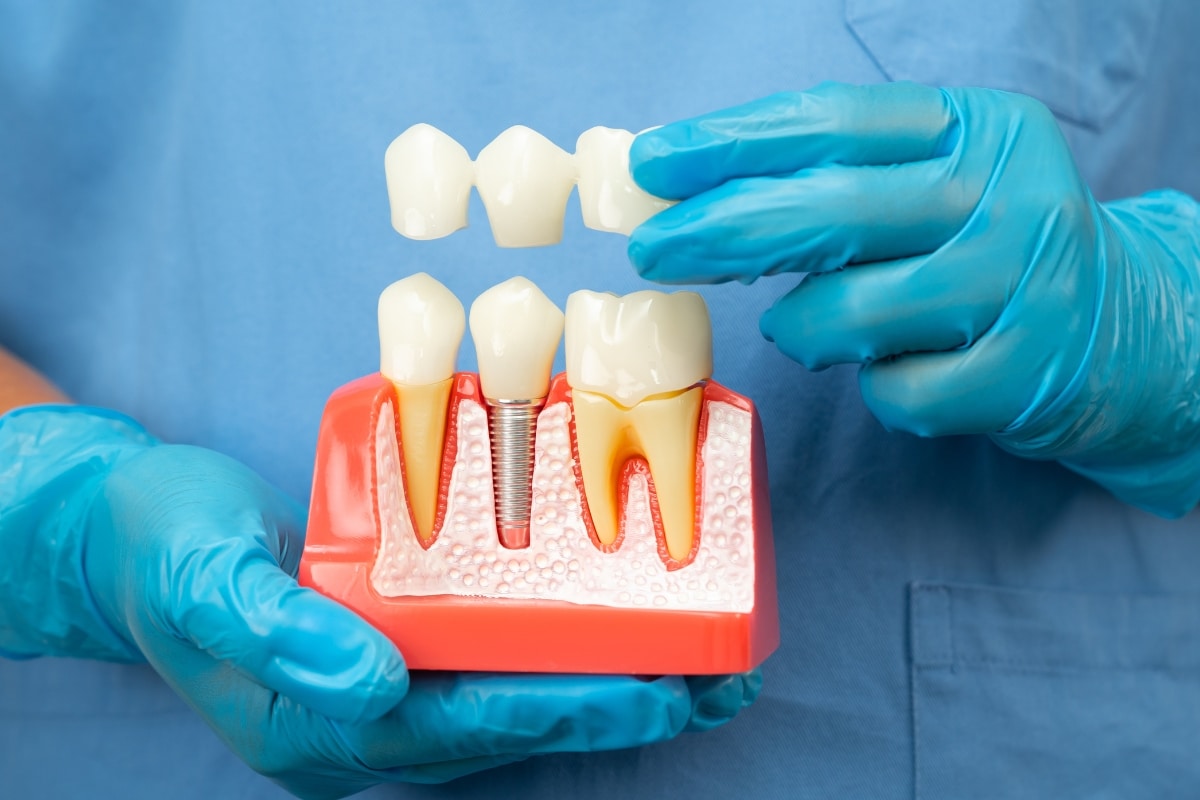
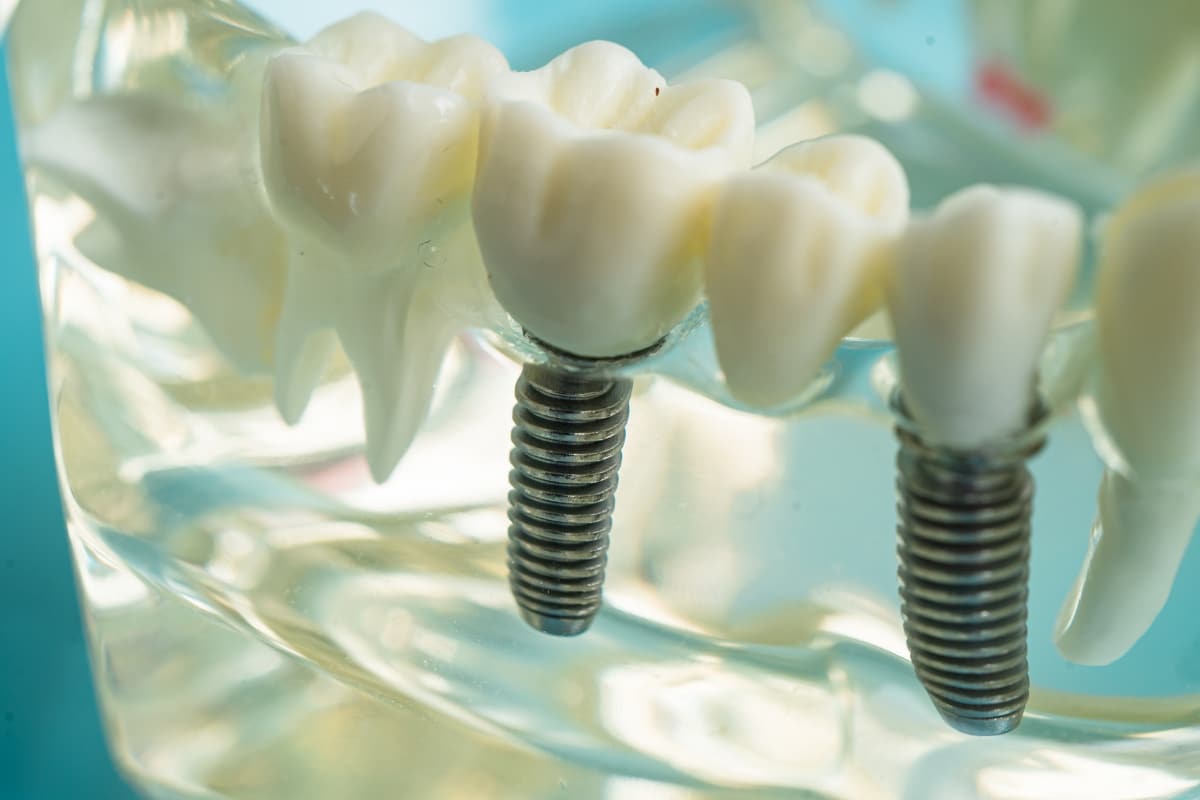
If bone loss is moderate, a procedure called bone grafting can rebuild the area before the implant is placed. The graft material, often synthetic, donor-sourced, or taken from another area of your own body integrates with your existing jaw over a few months, creating a stable foundation for the implant post.
For more significant bone loss, particularly in the upper jaw, a sinus lift may also be needed. These are routine procedures in experienced implant practices, and while they do add time to the overall process, they don’t make implants impossible.
The key variable is how much bone remains and where something only a clinical exam and 3D imaging can determine accurately.
What About Patients in Austin Specifically?
Austin’s population has grown enormously over the past decade, and with that growth comes a diverse patient base of people who moved here from other cities, started over financially, or simply put off dental care during hectic periods of life. It’s genuinely common for patients across Central Austin, Round Rock, Cedar Park, and the surrounding suburbs to show up at a dental office with a tooth gap they’ve been carrying for years.
If you’re one of those people, you’re not alone, and you’re not out of options. Many providers offering dental implants in Austin now have the imaging technology and clinical expertise to evaluate even complex, long-standing cases and create a realistic treatment roadmap.
At Hamilton Dental, located right here in Austin, we see patients from all walks of life, longtime Austinites and recent transplants alike and we take pride in making implant consultations feel educational rather than overwhelming.
Factors That Affect Whether You’re a Candidate
Beyond bone density, a few other factors influence candidacy for dental implants treatment:
- Overall health – conditions like uncontrolled diabetes or active gum disease need to be addressed first, but they don’t permanently rule out implants.
- Smoking – tobacco significantly slows healing and reduces implant success rates. Quitting before treatment improves outcomes considerably.
- Gum health – healthy gum tissue around the implant site is essential for long-term stability.
- Adjacent teeth – neighboring teeth can shift over time into a gap, sometimes requiring orthodontic adjustment before implant placement.
None of these are automatic disqualifiers. They’re pieces of the puzzle your dentist evaluates during a thorough consultation.
The Timeline for Late-Stage Implants
For patients who need bone grafting, the full process from consultation to final crown can take anywhere from six months to over a year. For those with adequate bone, the timeline is shorter, sometimes as little as three to four months from implant placement to final restoration.
This might feel like a long commitment, but consider the alternative: a gap left unfilled continues to cause bone loss, can cause neighboring teeth to drift, and often affects confidence in everyday conversations. The investment in dental implants in Austin tends to pay off in both function and quality of life for many years, often a lifetime with proper care.
Don’t Let More Time Pass
If you’ve been sitting on a missing tooth for years, the best time to explore your options is now not because things will get dramatically worse overnight, but because the sooner you act, the simpler and less complex the solution tends to be.
Hamilton Dental in Austin is here to help you understand exactly where you stand. Whether your gap is two years old or twenty, our team will give you a clear, honest picture of your options, no pressure, no guesswork.
Ready to take the next step? Schedule a consultation with Hamilton Dental today and learn what modern dentistry can do for you.
Hamilton Dental serves patients throughout Austin, TX, and surrounding communities including Round Rock, Cedar Park, Pflugerville, and Lakeway.
Frequently Asked Questions
Is there an age limit for dental implants?
There’s no upper age limit. Implants are routinely placed in patients in their 70s and 80s. What matters is overall health and bone quality, not age alone.
Will I need bone grafting if I’ve waited over 10 years?
Possibly, but not always. The only way to know is through a clinical exam and 3D cone beam scan. Some patients retain enough bone even after a decade.
How long do dental implants last?
With proper oral hygiene and regular dental visits, implants can last 20 to 30 years and often a lifetime. They’re considered the most durable tooth replacement option available
Can I get an implant if I have dentures?
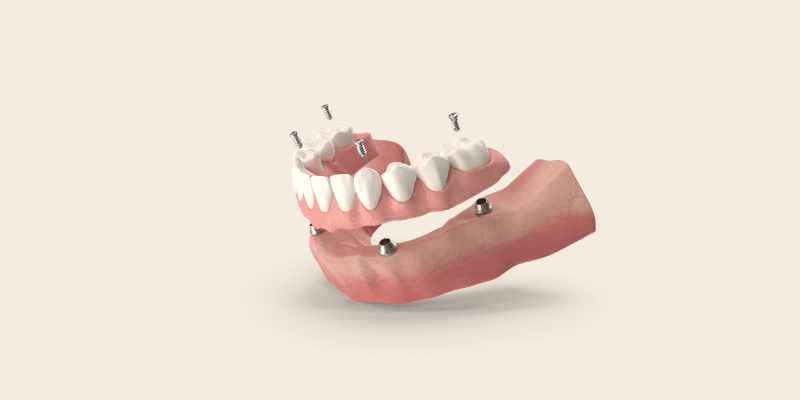
Yes. Implant-supported dentures are a popular option for patients who want more stability. Individual implants can also be used to replace specific teeth even if you wear a partial denture.