
By Hamilton Dental
It’s 11 p.m., the ibuprofen has worn off and that dull ache in your molar has turned into something that makes it hard to think about anything else. If you’ve ever lain awake in Cedar Park or Round Rock wondering whether this counts as an actual emergency or if it can wait until Monday, you’re not alone. Toothaches have a way of showing up at the worst possible time and knowing when to push through versus when to get help can make the difference between a simple fix and a much bigger problem.
The short answer is that a severe toothache should never be ignored for more than 24 to 48 hours. Pain is your body’s way of telling you something is wrong, and when it comes to your teeth, that something is often an infection that will only get worse with time. Waiting it out with painkillers might mask the symptoms for a day or two, but the underlying issue keeps progressing. If you’re experiencing a dental emergency in Austin, seeking prompt care can help prevent the problem from becoming more serious. This is exactly why emergency dental care exists in the first place: to catch these problems before they turn into abscesses, spreading infections, or tooth loss.
Why Toothaches Escalate So Quickly
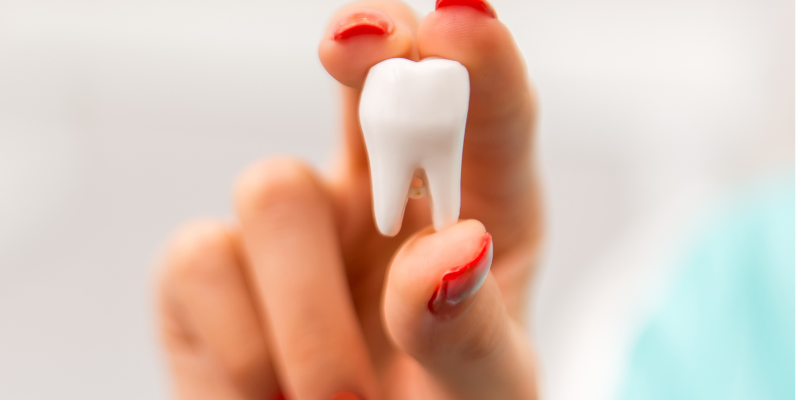
Teeth are living structures with nerves and blood vessels running through the center. Once decay or a crack reaches that inner pulp, bacteria have a direct path in, and the body responds with inflammation and pressure that has nowhere to go inside a hard tooth structure. That’s why the pain often feels disproportionate to what seems like a small problem on the surface.
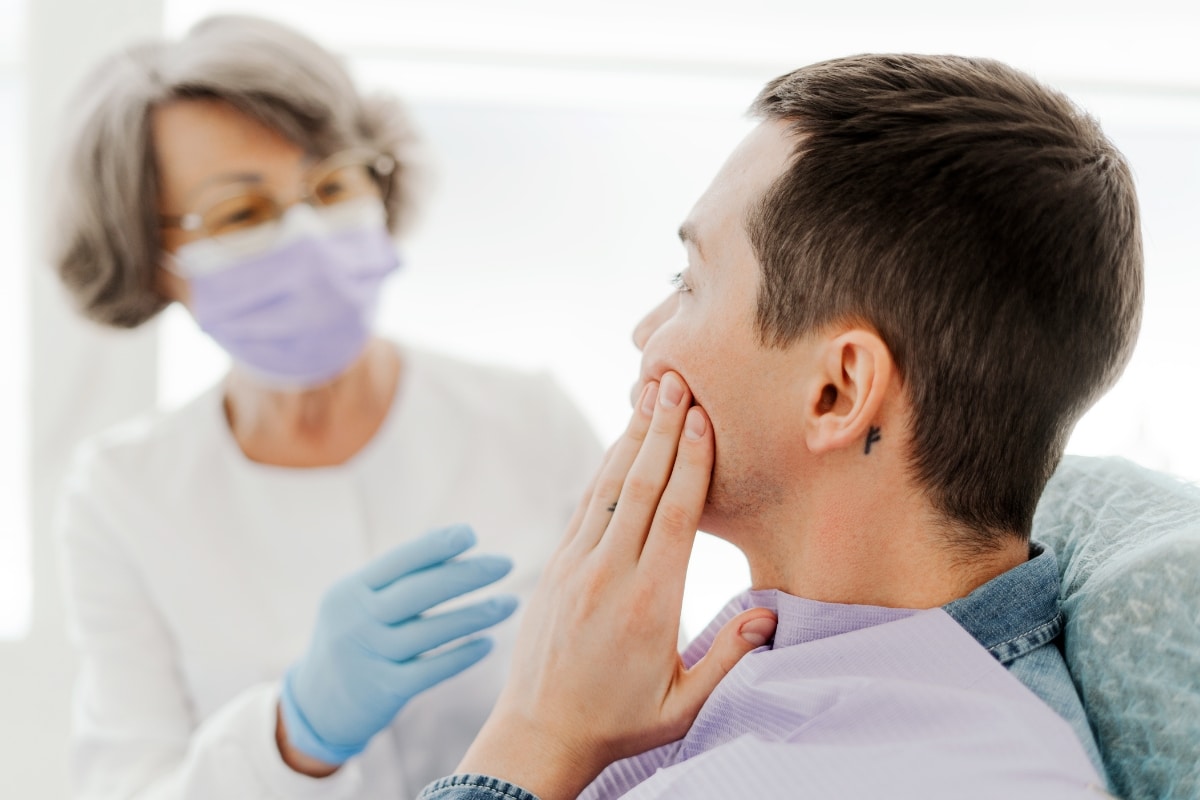
If you’re dealing with throbbing pain that keeps you up at night, swelling in your face or jaw, a fever, or a foul taste that won’t go away, these are signs your body is actively fighting an infection. At this stage, this is genuinely a dental emergency in Austin residents shouldn’t try to tough it out on their own. An infection near the jaw can spread to the neck, throat, or even into the bloodstream in rare but serious cases. That’s not meant to scare you; it’s meant to explain why dentists take these symptoms so seriously.
What Counts as a True Dental Emergency
Not every toothache means you need to drop everything and rush to a clinic. A little sensitivity after eating something cold, or mild soreness from clenching your jaw during a stressful week, usually isn’t urgent. But there’s a clear line between “keep an eye on it” and “get help now.”
You’re likely dealing with a dental emergency in Austin heat and humidity can sometimes make swelling feel worse if you notice any of the following:
- Sharp, constant pain that doesn’t ease with over-the-counter medication
- Visible swelling in your cheek, gum or jaw area
- A knocked-out or badly cracked tooth from an accident or sports injury
- Pus, drainage, or a bad taste near the painful tooth
- Fever alongside tooth pain
If you’re checking off more than one of these, it’s time to call an emergency dentist in Austin rather than waiting to see if things improve on their own.
The 24 to 48 Hour Rule
Dentists generally agree that mild discomfort can be monitored for a day or so, especially if you’re managing it with over-the-counter pain relief and salt water rinses. But once you hit the 48-hour mark with no improvement, or if the pain is getting worse rather than better, that’s your signal to stop waiting. Infections don’t resolve on their own and antibiotics alone rarely fix the root cause without actual dental treatment to address the source.
We hear this a lot from patients driving in from South Austin, Bee Cave and even as far as Georgetown: they didn’t want to “make a big deal” out of a toothache, so they waited a few extra days hoping it would settle down. By the time they came in, what could have been a straightforward filling or root canal had turned into something requiring more extensive treatment. Acting early almost always means an easier, less costly path to relief.
What to Do While You’re Waiting for Your Appointment
If you can’t get in immediately, there are a few things that can help take the edge off without making things worse. Rinsing gently with warm salt water a few times a day can reduce bacteria and ease inflammation. Cold compresses on the outside of your cheek help with swelling and sticking to soft foods on the opposite side of your mouth avoids putting extra pressure on the sore area. Avoid aspirin placed directly on the gum, despite what old home remedies suggest, since it can actually burn the tissue.
None of this replaces professional treatment. Think of it as damage control until you can see someone who can actually treat the source of the problem.
Austin’s Weather and Lifestyle Can Play a Role Too
Austin summers bring their own dental challenges. Dehydration from the heat reduces saliva flow, which naturally protects your teeth from bacteria and that can make an existing problem feel more intense. Add in the city’s love of tacos, barbecue and iced coffee loaded with sugar, and it’s easy to see why dental issues can flare up faster here than you’d expect. Whether you’re heading out for a run along Lady Bird Lake or grabbing brisket at one of the food trailers on East Cesar Chavez, a nagging toothache shouldn’t have to sideline your plans.
Don’t Wait Until It’s Unbearable
The most important thing to remember is that pain rarely gets better on its own when it comes to teeth. If you’re dealing with swelling, fever, or pain that’s interfering with sleep or daily life, treat it as the emergency it likely is. Reaching out early to a trusted emergency dentist in Austin gives you the best shot at a fast, comfortable resolution instead of a drawn-out, painful one.
If you’re dealing with tooth pain that won’t let up, don’t wait for it to get worse. The team at Hamilton Dental is here to help you get out of pain quickly and get back to your day.
Call us at 512-345-2170 or fill out our Patient Form to get started. We welcome new patients and are ready to provide the prompt care you need.