By Hamilton Dental
When people think about dental implants, the first thing that usually comes to mind is looks. Fair enough; they do a great job restoring a natural-looking smile. But here’s what a lot of people don’t realize until later: implants actually do a whole lot more for your mouth than just filling in a gap where a tooth used to be.
Missing teeth create a ripple effect throughout your entire mouth; honestly, one most people never fully connect the dots on until something else starts feeling off. Implants step in and address a lot of that ripple effect directly, not just the visible part.
So if you’re weighing your options for dental implants in Austin, here are seven real ways they support your oral health beyond just the cosmetic side of things.
7 Ways Dental Implants Improve Your Overall Oral Health
1. They Prevent Bone Loss in Your Jaw
This is probably the biggest one, and it doesn’t get talked about nearly enough. When a tooth goes missing, the jawbone underneath that spot starts losing density over time because it’s no longer getting stimulated by chewing. It’s called bone resorption, and left unchecked, it can actually change the shape of your face.
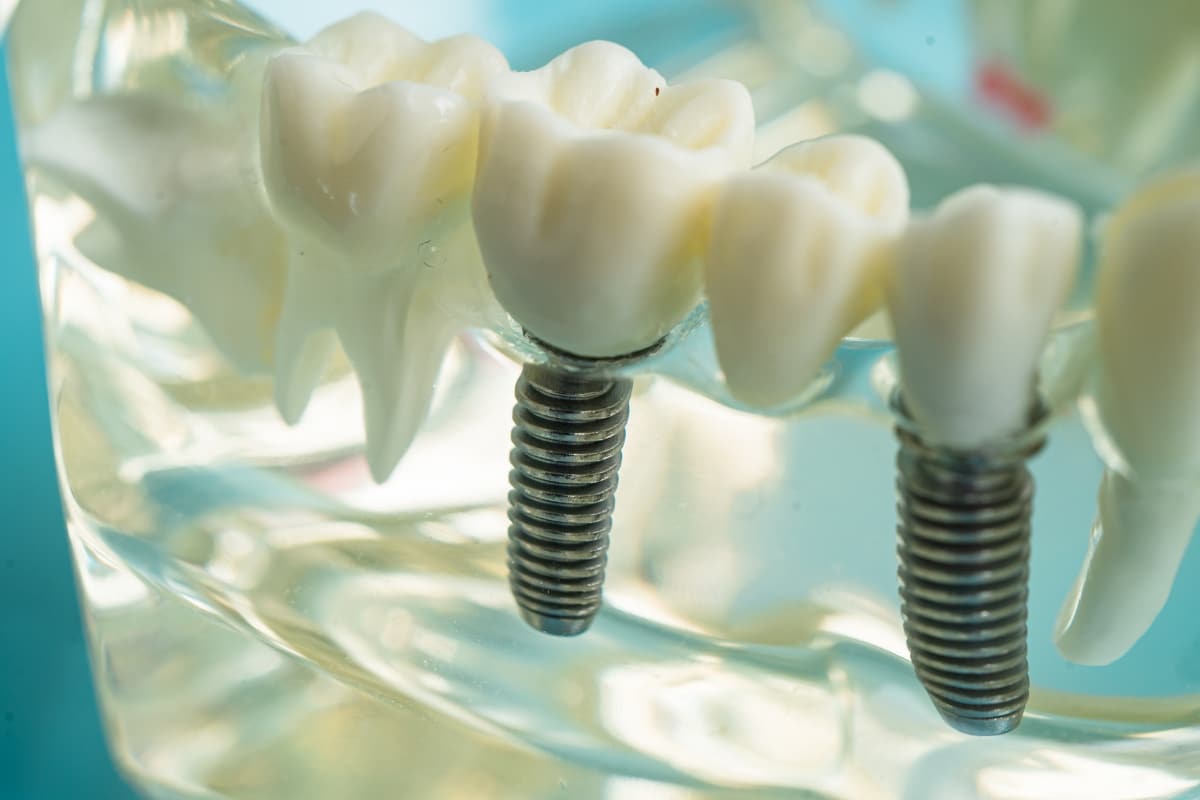
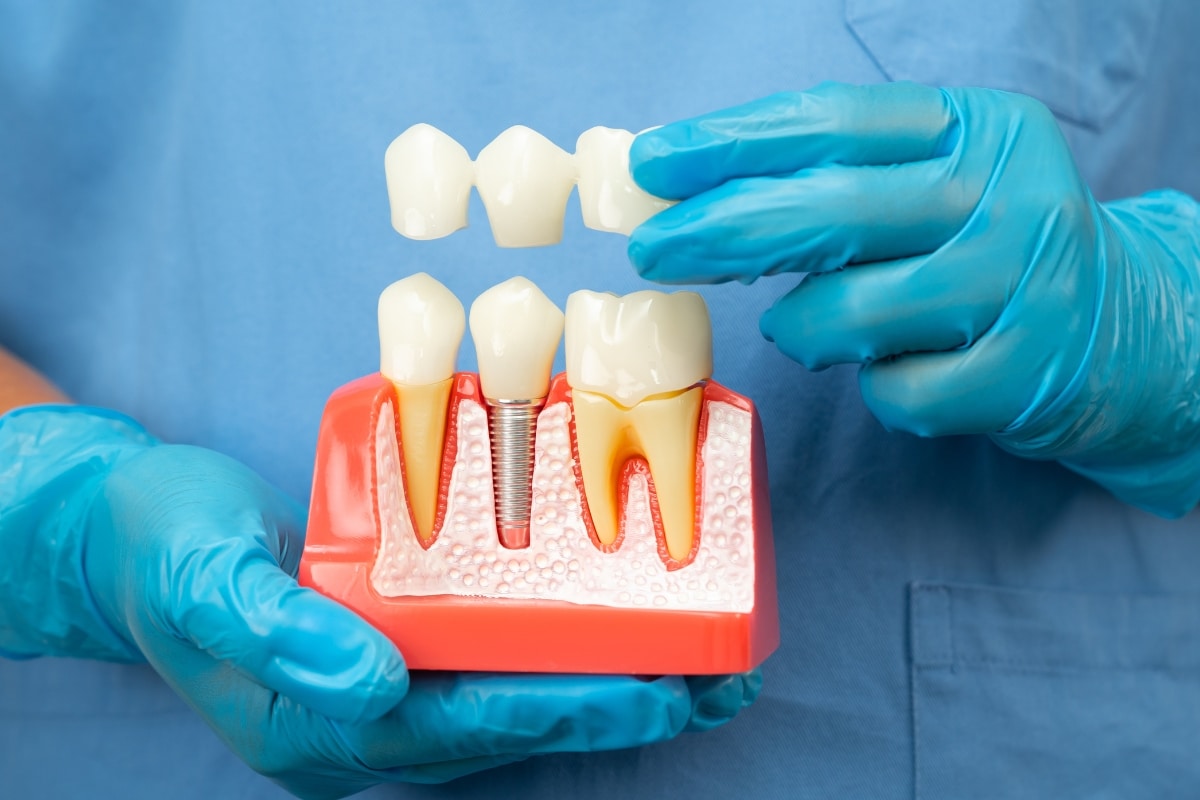
Implants are placed directly into the jawbone, which keeps that stimulation going just like a natural tooth root would. That keeps the bone strong instead of slowly wasting away in the background.
2. They Keep Your Other Teeth From Shifting
Ever notice how teeth tend to drift toward an open gap over time? It’s kind of wild how quickly it happens, honestly. When a tooth is missing and nothing fills the space, neighboring teeth start tilting inward, and opposing teeth can even shift upward or downward trying to fill the gap.
That shifting throws off your whole bite alignment, which then leads to uneven wear and sometimes jaw discomfort. Dental implants in Austin fill the space properly, so your other teeth stay right where they’re supposed to be.
3. They Preserve Your Facial Structure
This one connects back to the bone loss point, but it’s worth calling out on its own. As jawbone density decreases from missing teeth, it can actually cause your face to look sunken or aged in that area over time, something a lot of people don’t expect.
By keeping the bone stimulated and healthy, implants help maintain your natural facial contours. It’s not just about the smile itself; it’s about how your whole face holds its shape over the years.
4. They Make Brushing and Flossing Easier
Bridges and some other tooth replacement options need extra care around the edges and underneath to keep clean, and honestly, that extra effort trips people up more than they’d like to admit. Implants function like a single, standalone tooth, so cleaning around them is straightforward.
You just brush and floss like normal, no special tools or techniques required. That simplicity actually leads to better long-term hygiene for a lot of patients, simply because it’s easier to stay consistent.
5. They Reduce the Risk of Further Tooth Loss
Here’s something worth sitting with, once you lose one tooth, the risk of losing others actually goes up if the gap isn’t addressed. The shifting, bite misalignment, and bone loss mentioned earlier all contribute to that snowball effect.
Getting dental implants near Austin early after tooth loss helps break that cycle before it starts affecting neighboring teeth. It’s a lot easier to protect what you still have than to deal with more loss down the road.
6. They Support Better Chewing and Digestion
This connection surprises people every time. When you’re missing teeth, or dealing with a bridge or denture that doesn’t function quite as well as your natural teeth did, chewing thoroughly becomes harder. And poorly chewed food puts more strain on your digestive system overall.
Implants restore close to full chewing function, which means food actually gets broken down properly before it reaches your stomach. It’s a small thing that ends up mattering more than people expect.
7. They Eliminate the Ongoing Irritation Some Replacements Cause
Removable dentures, in particular, can shift, rub, or create sore spots over time, especially as your jawbone changes shape from bone loss. That constant irritation isn’t just annoying, it can actually lead to other issues, like mouth sores that don’t heal properly.
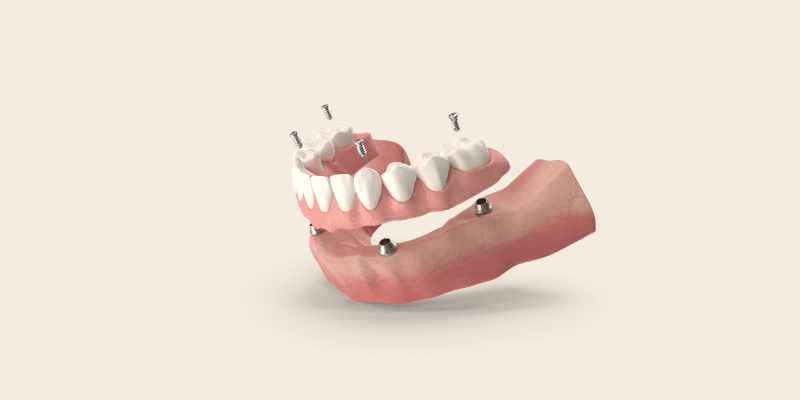
Implants are fixed in place, so there’s no sliding around or rubbing against your gums throughout the day. For a lot of people who’ve dealt with denture discomfort, this alone feels like a massive upgrade in day-to-day comfort.
FAQ: Common Questions About Dental Implants and Oral Health
Q: Do implants really prevent bone loss, or just slow it down?
They actively prevent it in the area where they’re placed by continuing to stimulate the jawbone the way a natural tooth root would. Areas without implants can still experience bone loss if teeth are missing there too.
Q: How soon after losing a tooth should I get an implant?
Sooner is generally better. Waiting too long can allow bone loss and shifting to progress, which sometimes requires additional procedures like bone grafting before an implant can be placed.
Q: Are implants harder to maintain than natural teeth?
Not really. They’re cared for essentially the same way, brushing, flossing, and regular checkups. There’s no special routine required beyond normal oral hygiene.
Q: Can implants fail if my oral health isn’t great?
Poor oral hygiene and untreated gum disease can increase the risk of implant failure. That’s why an experienced provider of dental implants in Austin will address any existing issues first before moving forward with treatment.
Q: Is it too late for implants if I’ve already lost bone density?
Not necessarily. Bone grafting can often rebuild enough density to support an implant, even in cases where significant loss has already occurred.
Ready to Protect Your Oral Health for the Long Run?
Dental implants do a lot more behind the scenes than most people realize going in. From protecting your jawbone to keeping your bite properly aligned, they support your overall oral health in ways that go well beyond just filling a gap.
If you’re exploring dental implants in Austin, Hamilton Dental is here to walk you through your options and figure out what makes sense for your specific situation. Contact Hamilton Dental today or visit our clinic at 7121 Chimney Corners, Austin, TX 78731, and get long-term oral health support.