
By Hamilton Dental
You know that one thing about your smile you notice every single time you pass a mirror? Maybe it’s a tooth that’s a bit darker than the rest. Maybe it’s a small chip, or a gap you’ve learned to hide in photos. It’s not hurting you, exactly, but it’s there, and it nags at you.
Here’s the good news. A lot of those little (and not-so-little) annoyances can be handled with one treatment. Veneers are thin, custom-made shells, usually porcelain, that bond to the front of your teeth. They cover up the flaws, and they look like your real teeth, only better. So what can they actually fix? If you’re curious about veneers in Austin, here’s a rundown of the dental problems they handle well.
8 Dental Problems You Can Counter With Veneers
1. Stubborn Stains and Discoloration
Coffee, tea, red wine, smoking, some medications, even just aging. They all leave a mark. And while whitening works great for many people, it doesn’t always budge deep stains, especially ones from inside the tooth.
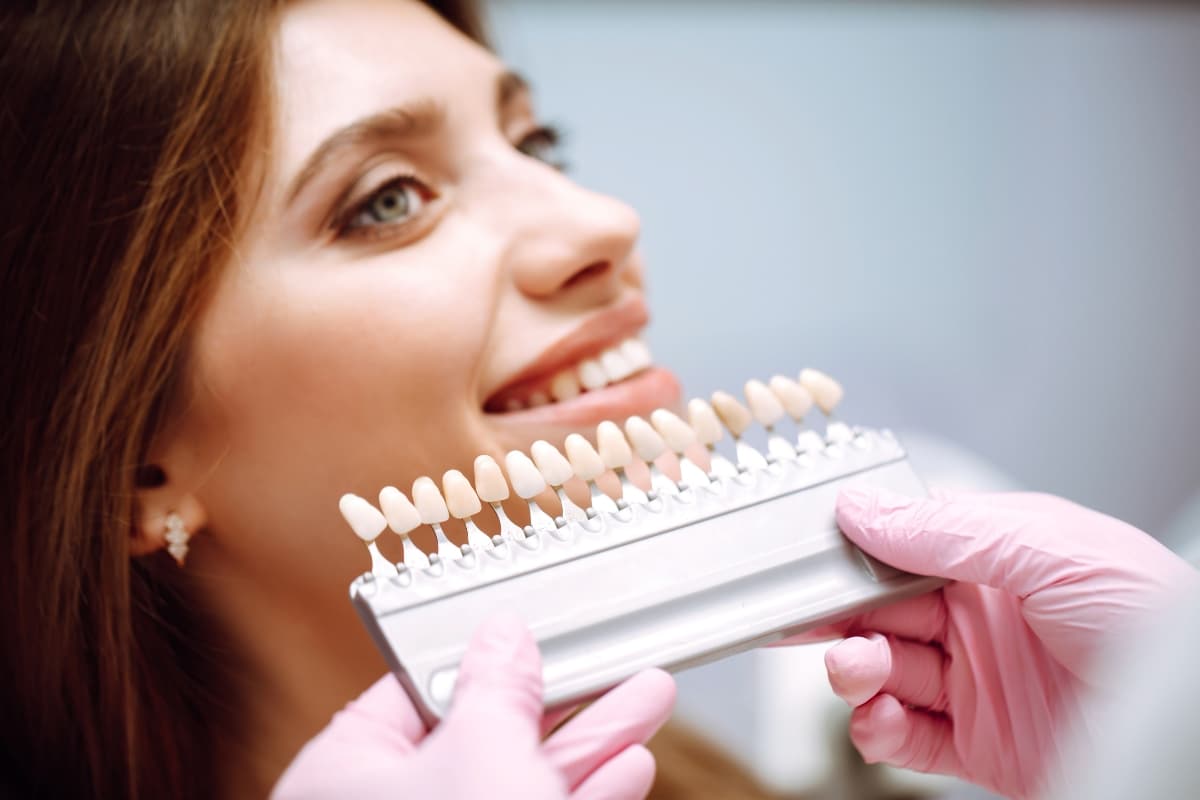
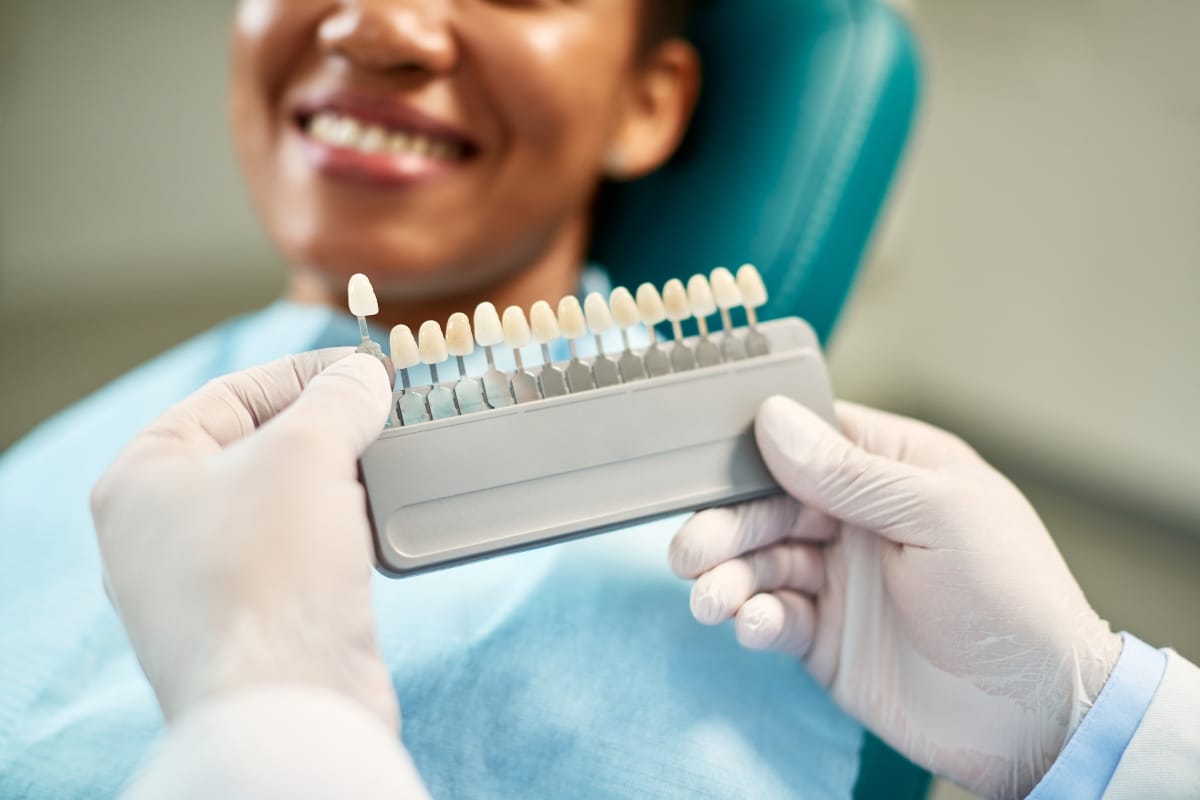
Veneers sidestep the problem entirely. Since they cover the visible surface, the shade you pick is the shade you get. Pretty satisfying when whitening has let you down.
2. Chipped Teeth
A tiny chip from biting something hard, or an old accident you never fixed. Small chips often look worse to you than to anyone else, but they can still feel rough and make you self-conscious.
A veneer restores the shape and smooths out the edge. It also adds a layer of protection, which is handy since chipped teeth can be more prone to further damage.
3. Cracked Teeth (Minor Ones)
Notice the word “minor” here. Hairline cracks on the front of a tooth, without deep damage, can often be covered with veneers in Austin for both looks and a bit of added strength.
But deeper cracks that reach the root or cause real pain need different treatment, like a crown or a root canal. Your dentist will check, and be straight with you about which route makes sense.
4. Gaps Between Teeth
Small spaces, particularly between front teeth, are one of the most common reasons people ask about veneers. Some folks love their gap. Others are over it.
Veneers can close those spaces by slightly widening the teeth, and the whole thing happens in a few visits instead of the months you might spend with braces. That said, bigger gaps or bite issues may need orthodontics first, so don’t skip the consultation.
5. Misshapen or Uneven Teeth
Teeth come in all sorts of shapes. Some are pointy, some are short, some are just a little “off” compared to their neighbors. If one tooth looks smaller or oddly shaped, it can throw off your whole smile.
Veneers reshape those teeth so everything looks balanced. Your dentist can adjust the length and shape, so your smile looks natural, not cookie-cutter.
6. Worn-Down Teeth
Years of grinding, acidic foods, or just normal wear can shorten your teeth and thin the enamel. Your smile may look older than you feel, and that’s frustrating.
Veneers can add back some length and rebuild the surface, giving your teeth a fresher look. If you grind your teeth at night, though, a nightguard is a smart add-on to protect the new work.
7. Slightly Crooked or Misaligned Teeth
Mild crookedness, where a tooth turns slightly or sits a bit forward, can sometimes be disguised with veneers. They create the look of straighter teeth without moving anything.
It’s a cosmetic fix, not an actual alignment one. For serious crowding or bite problems, braces or clear aligners are usually the better first step, and some people do both.
8. Uneven Gum-Line Appearance and Teeth That Look Too Small
Sometimes teeth look short or the smile seems uneven because of how the teeth sit against the gums. While veneers aren’t a gum treatment, they can lengthen teeth and balance the look, sometimes paired with minor gum contouring.
It’s one of those cases where a dentist’s eye matters. A provider of veneers near Austin can figure out whether veneers alone will do the trick or whether a small extra step helps.
What Veneers Can’t Fix
Let’s keep it honest. Veneers don’t repair active decay, treat gum disease, or fix serious bite problems. Those things have to be handled first, because covering an unhealthy tooth just hides trouble underneath.
Veneers also need enough healthy enamel to bond to. That’s part of why a proper exam comes before anything else, and why a good dentist won’t just say yes to everyone.
How Long Do Veneers Last?
With good care, porcelain veneers typically last around 10 to 15 years, sometimes longer. Brush, floss, see your dentist regularly, and don’t use your teeth to open packages or chew ice. Treat them well and they’ll return the favor.
FAQs: Frequently Asked Questions
1. Are veneers permanent?
They’re a long-term solution but not forever. Since a thin layer of enamel is removed, you’ll need to keep veneers or replace them over time.
2. Does getting veneers hurt?
Most people feel little to no pain. Your dentist uses local anesthetic when needed, and mild sensitivity afterward usually fades quickly.
3. How many visits does the process take?
Usually two to three visits across a few weeks: a consultation, tooth preparation, and final placement. Your timeline may vary.
4. Can I whiten veneers later?
No, porcelain doesn’t respond to whitening the way natural teeth do. That’s why picking your shade carefully at the start matters.
5. Who’s a good candidate?
Someone with healthy teeth and gums, enough enamel, and realistic expectations. An experienced provider of veneers in Austin can tell you in one consultation.
Ready for the Smile You’ve Been Hiding?
Stains, chips, gaps, uneven teeth you don’t have to just live with them. Veneers can handle a surprising list of cosmetic concerns, and the results often feel life-changing, in a quiet, confident kind of way.
If you’re thinking about veneers in Austin, Hamilton Dental can walk you through your options and tell you honestly what will work for your smile. Contact us or visit Hamilton Dental at 7121 Chimney Corners, Austin, TX 78731 today and see what veneers in Austin can do for your smile.