By Hamilton Dental
Missing teeth can affect far more than just your appearance; they can impact chewing, speech, confidence, and long-term oral health. Fortunately, modern dental implants offer one of the strongest, most natural-looking solutions for tooth loss. But many people wonder: Does having missing teeth automatically make you a good candidate for implants? Understanding how eligibility works can help you determine whether this treatment is right for you.
Why Missing Teeth Often Make You a Strong Implant Candidate
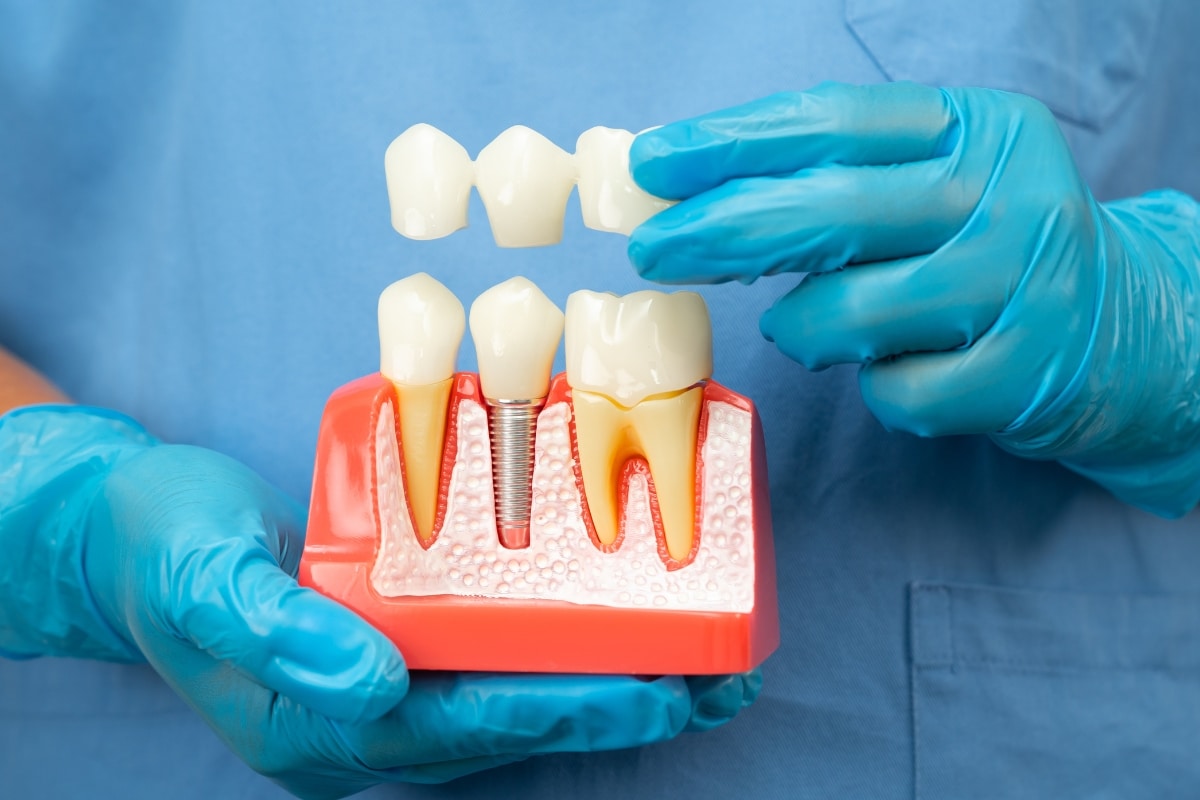
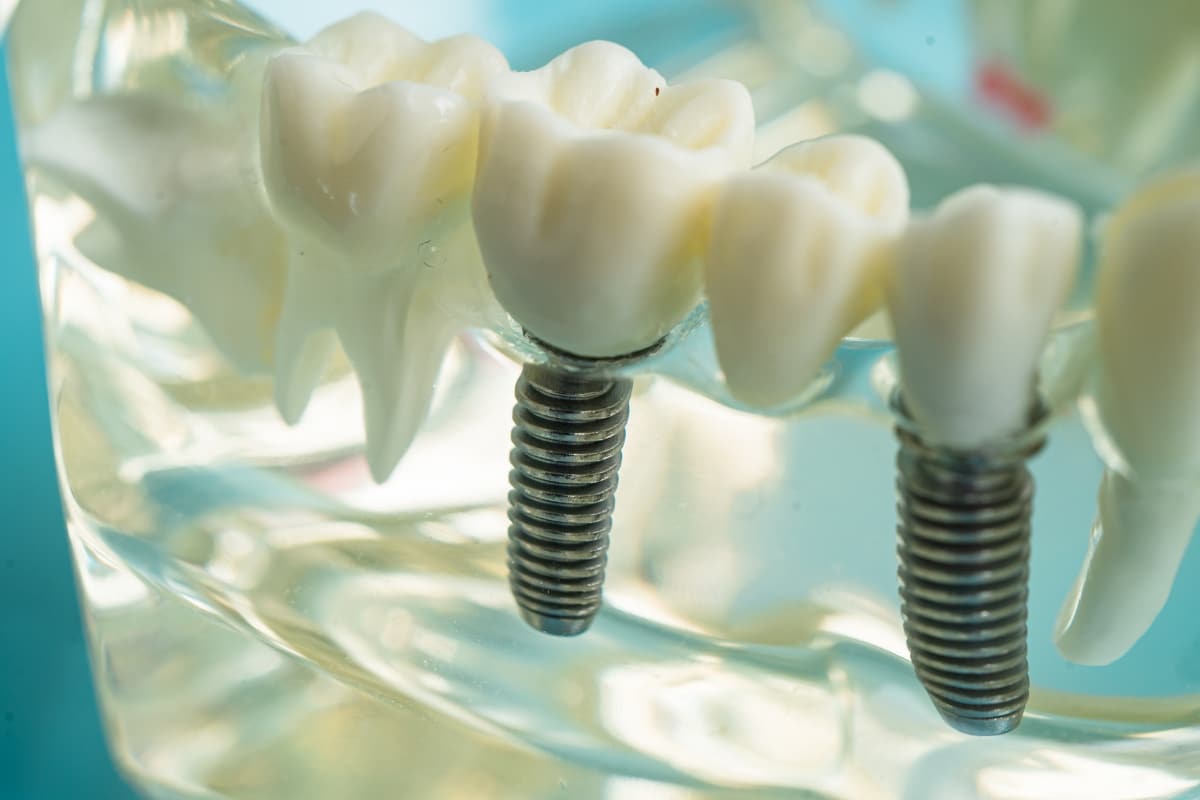
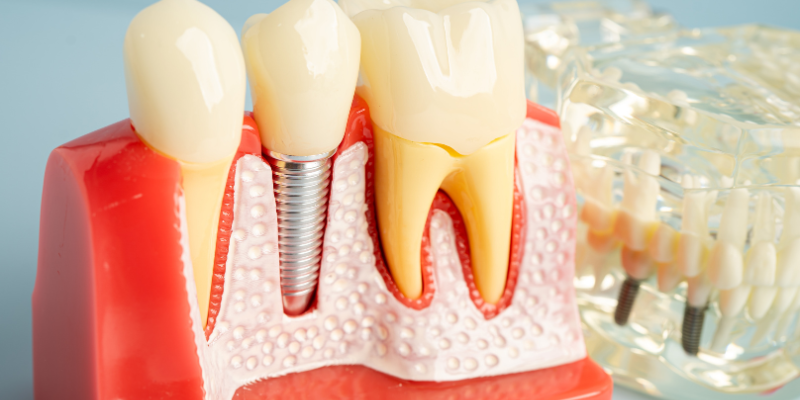
If you have one or more missing teeth, you may already be an ideal candidate for dental implants in Austin. Implants are designed to replace lost teeth while supporting long-term jawbone and gum health. Unlike dentures or bridges, implants stimulate the jawbone, preventing deterioration that naturally occurs after tooth loss. The longer a tooth is missing, the more the bone weakens making implants not just a treatment option but a preventive measure as well.
Most patients missing teeth benefit from implants when they still have sufficient bone density and healthy gums. Even if you have been missing teeth for years, advancements in implant dentistry such as bone grafting and sinus lifts can restore the stability needed to support implants. This makes dental implants accessible to more people than ever before.
How Missing Teeth Affect Your Oral Health
When a tooth is missing, nearby teeth begin to shift, bite alignment changes, and chewing becomes uneven. Implants help stop these problems by acting as stable tooth roots that support balance and function. If you’ve noticed discomfort while chewing, facial changes due to bone loss, or gaps widening over time, these issues may actually make you a great candidate for treatment.
Missing teeth also impact gum health. Food particles can get trapped in open spaces, increasing the risk of infection. By replacing lost teeth with implants, you can reduce your likelihood of gum disease and protect your long-term oral wellness.
Key Qualification Signs for Dental Implants
Here are the main indicators that missing teeth may make you eligible for dental implants:
1. You Have Healthy Gums
Healthy gum tissue is essential for supporting implant posts.
2. You Have Adequate Jawbone Density
Strong bone structure allows implants to anchor securely.
3. You’re Missing One or Multiple Teeth
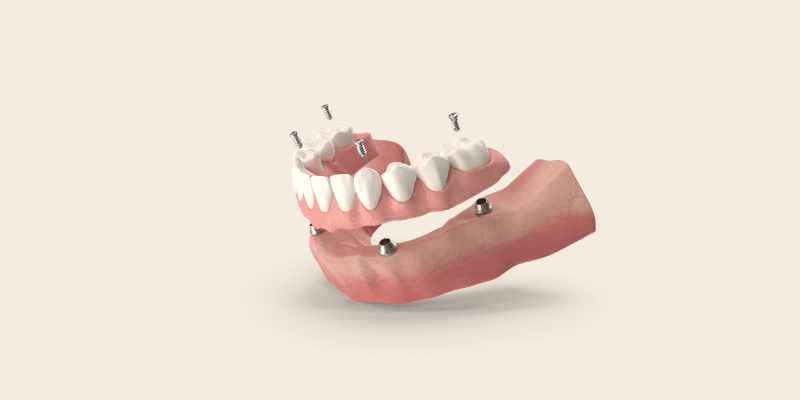
Implants work for single gaps, multiple gaps, or even full-mouth replacement.
4. You’re in Good Overall Health
Conditions like uncontrolled diabetes or smoking may require additional evaluation.
5. You Want a Permanent, Natural-Looking Solution
If you prefer stability over removable dentures, implants are ideal.
When Missing Teeth May Require Additional Steps
If bone loss has already started especially after long-term tooth loss—you may need preparatory procedures. Bone grafting can rebuild lost bone, and gum treatments can improve tissue health. These steps ensure long-term implant success and increase your candidacy even if your oral health has declined.
Are Dental Implants Right for You?
If you’re missing teeth and unsure whether you qualify, a professional evaluation is the best next step. Most patients with gaps, shifting teeth, or weakening jawbone find that implants are not only possible but highly beneficial. When you visit a skilled provider for dental implants in Austin, they will perform digital imaging, assess bone health, and create a customized treatment plan based on your needs.
Restore Your Smile with Confidence
Missing teeth don’t have to limit your life. Dental implants offer a durable, natural-looking solution that can transform your smile and protect your oral health for years to come. If you’re ready to find out whether you’re a candidate, Hamilton Dental is here to guide you through every step. Visit Us today to schedule your consultation and discover how implants can rebuild your confidence and quality of life.
FAQs
1. Does having missing teeth automatically make me a candidate for dental implants?
Not always, but missing teeth are one of the strongest indicators you may qualify. Your dentist will also evaluate gum health, bone density, and overall oral condition.
2. How do missing teeth affect my eligibility for dental implants?
Missing teeth can lead to bone loss and shifting teeth. If the bone is still strong enough or can be restored with grafting, you’re likely a good implant candidate.
3. Can I get dental implants if I’ve been missing teeth for many years?
Yes. Even long-term tooth loss can be treated successfully with implants, especially if bone grafting is performed to rebuild weakened areas.
4. Are dental implants suitable for replacing multiple missing teeth?
Absolutely. Implants can restore a single tooth, several teeth, or even a full arch using implant-supported bridges or dentures.
5. How soon should I replace a missing tooth with an implant?
The sooner the better. Replacing missing teeth early prevents bone loss and shifting of nearby teeth, improving your chances of implant success.