By Hamilton Dental
If you have ever felt something gritty in your mouth or noticed a strange gap, chances are a restoration has come loose. A dislodged or wobbly filling can be uncomfortable. It is your tooth’s way of asking for attention. When a restoration shifts, it exposes delicate inner layers of your tooth to bacteria and temperature changes, increasing the risk of decay or sensitivity.
Why Do Fillings Become Loose?
Over time, the materials used to restore teeth endure daily wear from chewing, temperature changes, and natural aging. Eating hard or sticky foods, grinding your teeth, or even minor trauma can cause a restoration to loosen or dislodge completely. In some cases, decay may develop underneath, weakening the bond between the material and your tooth.
And hence professional care matters!
If you are dealing with this issue, your provider offering dental fillings in Austin can carefully evaluate the area using digital X-rays and magnified visualization. This helps detect hidden cracks, residual decay, or weakened enamel that might not be visible to the naked eye.
Why You Shouldn’t Ignore A Loose Dental Restoration?
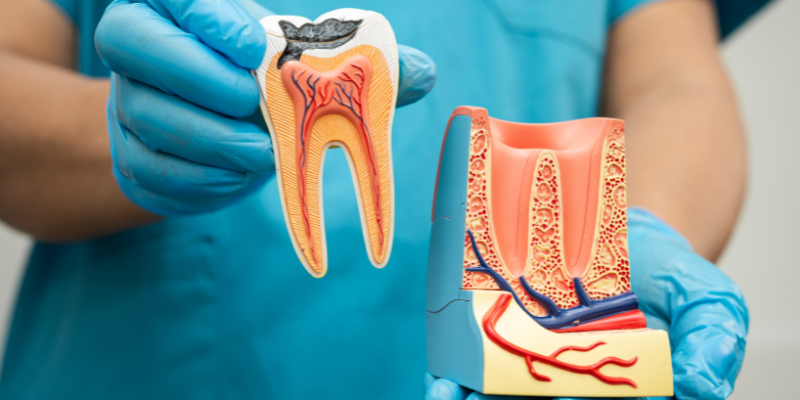
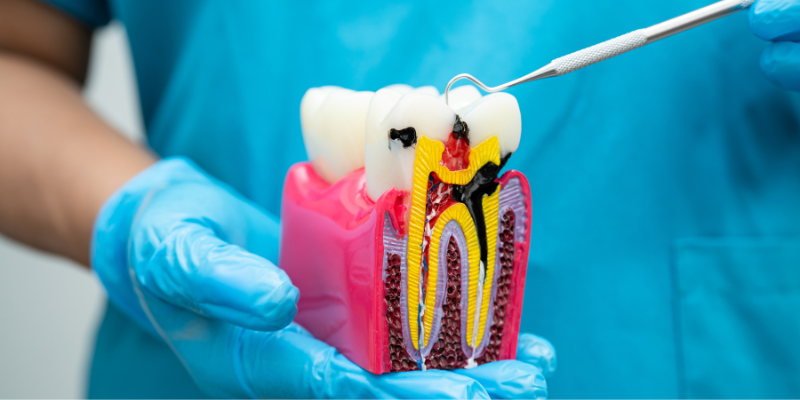
A loose or missing filling exposes dentin, the porous layer beneath your enamel, to oral bacteria. Without protection, it becomes a gateway for infection and inflammation.
You might notice:
- Sensitivity to hot, cold, or sweet foods.
- Sharp or intermittent pain while chewing.
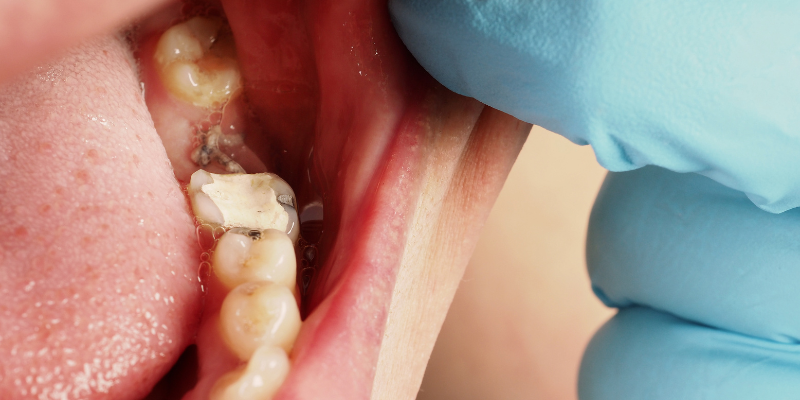
- A visible dark line, rough edge, or hollow spot on the tooth.
Ignoring these signs allows bacteria to penetrate deeper, potentially infecting the pulp. At that point, the problem could require more advanced treatment, such as a crown or root canal. Addressing the issue early keeps treatment simple and non-invasive.
How Does A Dental Practitioner Repair A Loose Filling?
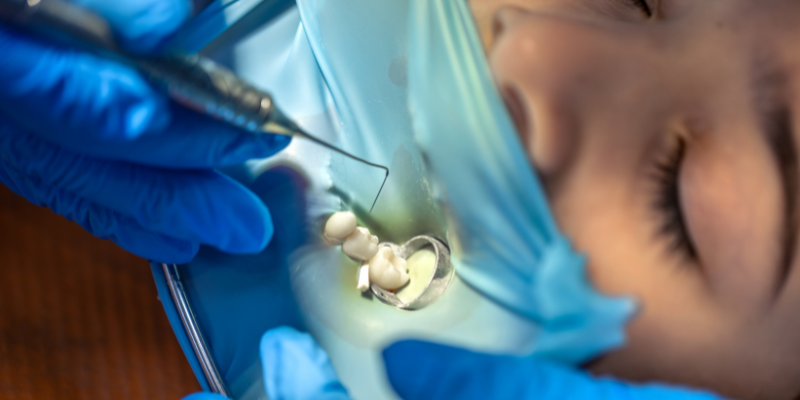
When you visit a local dentist, the first step is a thorough examination. The area will be cleaned to remove debris and bacteria. If decay is found underneath, your dentist will treat it before placing a new restoration. Depending on the size of the cavity and the remaining tooth structure, a replacement may involve a new composite restoration, an inlay, or a crown for added strength.
Modern techniques make the process quick and comfortable. Local anesthesia ensures you will not feel pain during the repair. Moreover, most patients can resume regular eating habits soon after the appointment.
Prevention Tips To Avoid Future Problems
A well-cared-for restoration can last many years. You can extend its lifespan with these proven habits:
- Avoid chewing on hard foods like ice, popcorn kernels, or pens.
- Manage grinding or clenching with a custom nightguard if needed.
- Brush twice daily with fluoride toothpaste and floss carefully to remove plaque near restoration edges.
- Visit your dentist regularly for routine exams to help identify small changes in bite alignment or material wear before they cause loosening.
- Watch what you serve on your plate. Limit sugary snacks and acidic beverages that erode the dental restoration interface.
Even the best materials can deteriorate over time, so maintaining routine care is key to long-term oral health.
When To Seek Help From A Dental Professional?
If you feel movement, notice sensitivity, or see a dark rim forming around an older restoration, schedule an appointment immediately. The longer you delay, the higher the risk of bacterial infection and structural damage. A trusted provider for dental fillings in Austin can restore comfort and protection, often in a single visit.
Your Trusted Solution For Loose Or Damaged Fillings
Loose restorations might seem minor, but if left untreated, they can quickly escalate into major oral health problems. Whether a simple repair or full replacement, Hamilton Dental provides compassionate, high-precision care to keep your smile healthy and confident. Contact with our team to schedule an appointment today. Let our experienced team restore strength, comfort, and beauty to your smile, once again!