By Hamilton Dental
Dental implants are designed to be a long-term solution for missing teeth but “long-term” doesn’t mean maintenance-free. Just like natural teeth, they need consistent care, smart habits, and regular professional monitoring. The good news? With the right routine, implants can last decades.
If you’ve invested in your oral health, protecting that investment matters. Many patients who choose dental implants in Austin want to know the same thing: What can I do daily to keep them strong and healthy? Below, you’ll find practical, easy-to-follow care tips tailored to real life whether that includes morning coffee runs, busy workdays, or weekend barbecues.
First, Understand What You’re Protecting
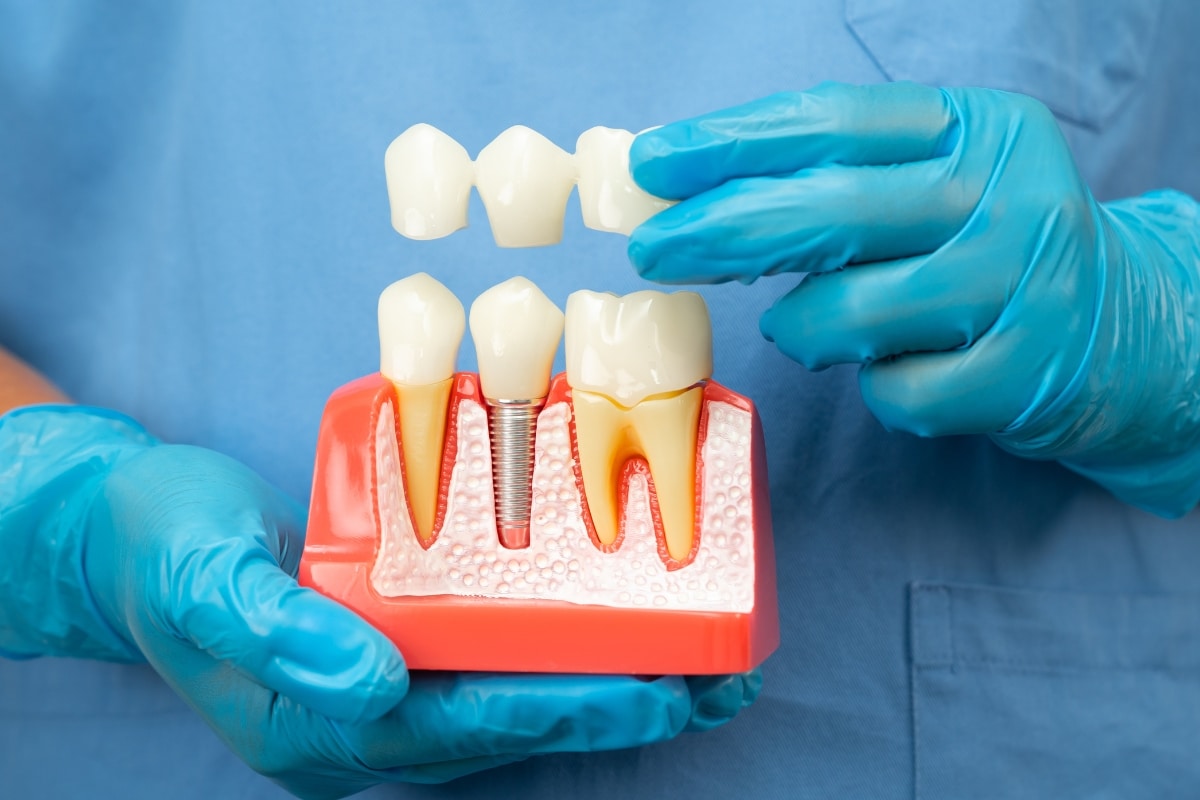
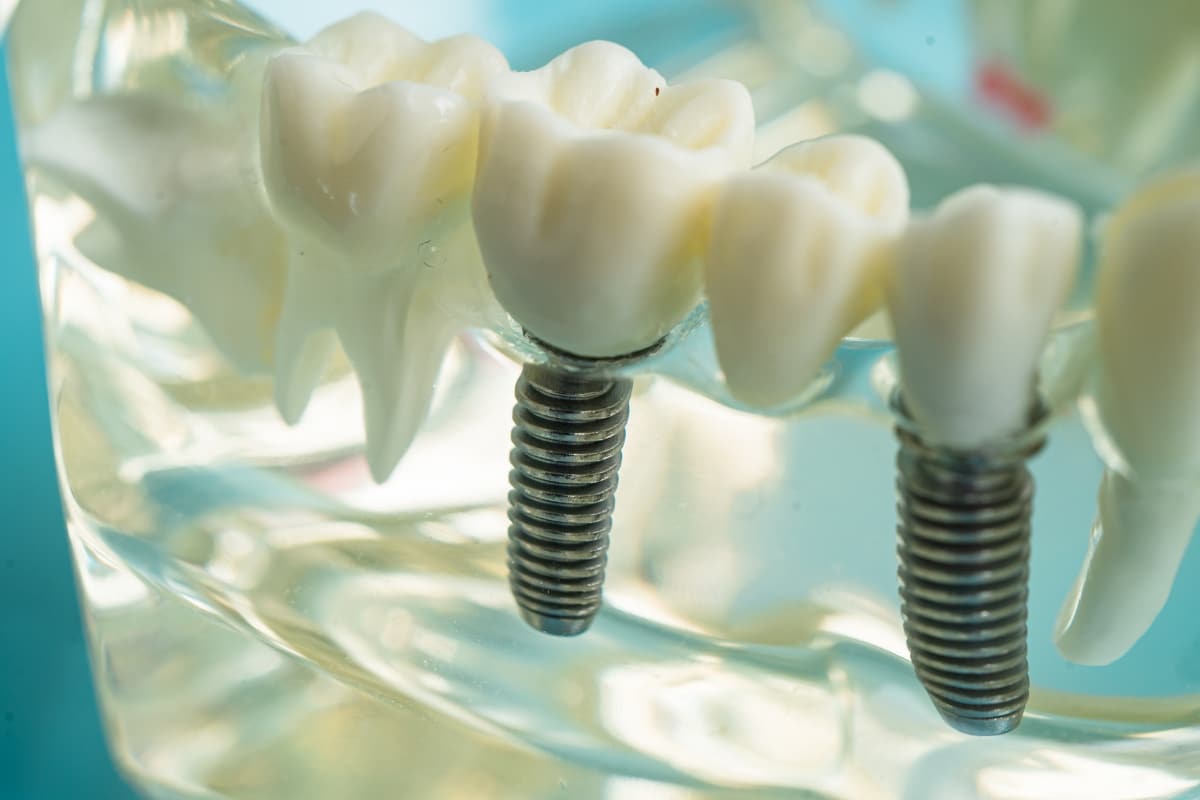
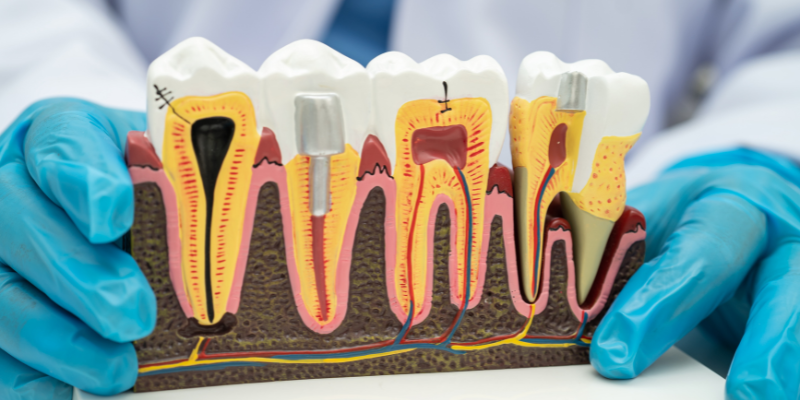
A dental implant has three parts:
- The titanium post placed in the jawbone
- The abutment that connects the post to the crown
- The custom crown that looks and functions like a natural tooth
The implant itself cannot decay but the surrounding gum tissue and bone absolutely can become infected if neglected. The biggest threat isn’t a cavity. It’s peri-implantitis, a condition similar to gum disease that can lead to implant failure.
That’s why smart daily care and routine dental visits are essential.
1. Brush — But Brush the Right Way
Brushing twice a day is non-negotiable.
Best practices:
- Use a soft-bristled toothbrush
- Angle the brush at 45 degrees toward the gumline
- Brush gently around the implant crown
- Consider an electric toothbrush for consistent pressure
Avoid aggressive scrubbing. Over time, harsh brushing can irritate gum tissue and cause recession.
If you live in Austin and enjoy frequent coffee from local cafés or iced tea in the summer heat, brushing before bed becomes even more important to prevent plaque buildup around your implant.
2. Floss Daily (Yes, Even Around Implants)
Food particles and bacteria collect around implants just like natural teeth.
Use:
- Implant-specific floss
- Unwaxed floss
- Water flossers for easier access
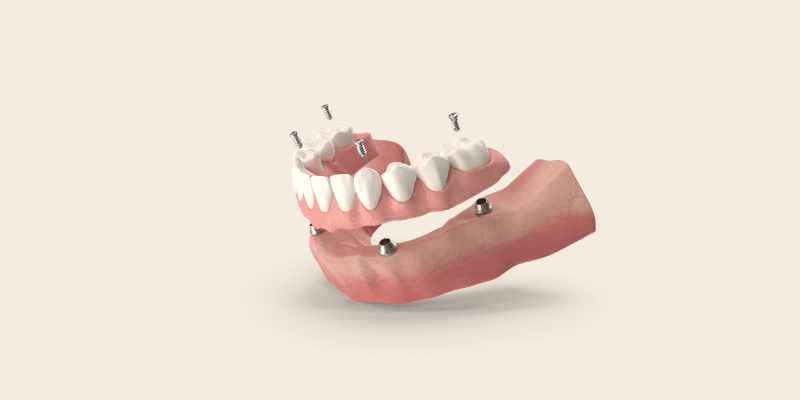
Water flossers are especially helpful if you have implant-supported bridges or multiple implants.
Think of flossing as your implant’s insurance policy; it protects what brushing can’t reach.
3. Don’t Skip Professional Cleanings
Routine checkups are critical for long-term success.
When patients receive dental implants in Austin, we always emphasize ongoing maintenance. Professional cleanings remove hardened plaque that home care cannot eliminate. Your dentist will also:
- Check implant stability
- Monitor gum health
- Take X-rays if needed
- Identify early warning signs
Most patients benefit from cleanings every six months, though some may need more frequent visits depending on gum health.
4. Protect Against Teeth Grinding
Clenching and grinding (bruxism) can place excessive pressure on implants.
Signs you might grind:
- Morning jaw soreness
- Headaches
- Worn-down natural teeth
If you grind at night, a custom nightguard can dramatically reduce stress on your implant and natural teeth.
This is especially common among professionals with high-stress schedules, something many Austin residents can relate to.
5. Be Smart About What You Eat
Dental implants are strong but they aren’t indestructible.
Limit:
- Ice chewing
- Hard candy
- Unpopped popcorn kernels
- Extremely sticky foods
Enjoy confidently:
- Lean proteins
- Fresh vegetables
- Whole grains
- Dairy for bone support
During BBQ season or at food festivals, be mindful when biting into very hard foods. Cut tougher meats into smaller pieces to avoid excessive pressure.
6. Stop Smoking (or Reduce It Significantly)
Smoking restricts blood flow to the gums and slows healing. It’s one of the leading risk factors for implant failure.
If you’ve recently had implants placed, quitting or even reducing smoking can significantly improve long-term success rates.
7. Watch for Early Warning Signs
Don’t ignore symptoms such as:
- Bleeding gums around the implant
- Persistent bad breath
- Gum swelling
- Looseness
These are not normal. Early intervention makes a huge difference.
Patients who maintain regular care after receiving dental implants in Austin typically experience excellent long-term results especially when small issues are addressed early.
8. Maintain Overall Health
Your oral health is closely connected to your overall health.
Conditions like uncontrolled diabetes can affect healing and gum stability. Staying active, eating well, and keeping medical conditions managed supports implant longevity.
Austin’s active lifestyle whether it’s trail walking or weekend cycling can actually benefit overall circulation and healing when paired with good nutrition.
Quick Daily Implant Care Checklist
Use this simple routine:
- ✅ Brush twice daily
- ✅ Floss or water floss daily
- ✅ Use a low-abrasive toothpaste
- ✅ Avoid chewing ice
- ✅ Wear a nightguard if recommended
- ✅ Schedule regular dental visits
Consistency beats intensity. Gentle, daily habits win every time.
Long-Term Success Starts With the Right Partner
Dental implants are one of the most reliable restorative options available today but their success depends heavily on proper maintenance and professional oversight.
If you’ve recently restored your smile or are considering treatment, ongoing care matters just as much as the procedure itself. At Hamilton Dental, we guide patients every step of the way from placement to long-term maintenance so their implants stay strong, stable, and natural-looking for years.
Whether you’re new to implants or want to ensure yours stay in excellent condition, our team is here to help.
Visit Hamilton Dental to learn more about implant care and schedule your appointment today. Your future self will thank you.
FAQs
How Long Can Implants Last With Proper Care?
With excellent hygiene and regular checkups, implants can last 20+ years and many last a lifetime.
Can Implants Get Cavities?
No. The crown cannot decay. However, the surrounding gums can become infected if neglected.
Is A Water Flosser Better Than Regular Floss?
Both work well. Water flossers are often easier for patients with multiple implants or bridges.
How Often Should Implants Be Checked?
At least twice a year during routine cleanings, unless your dentist recommends more frequent visits.
What Causes Implant Failure?
Poor oral hygiene, smoking, untreated gum disease, and excessive pressure from grinding are common causes.