
By Hamilton Dental
Maintaining a healthy smile goes beyond regular brushing and flossing. Sometimes, dental issues arise that require specialized care to restore both function and appearance. This is where restorative dentistry plays a crucial role. From repairing damaged teeth to replacing missing ones, restorative procedures help improve oral health, confidence, and quality of life.
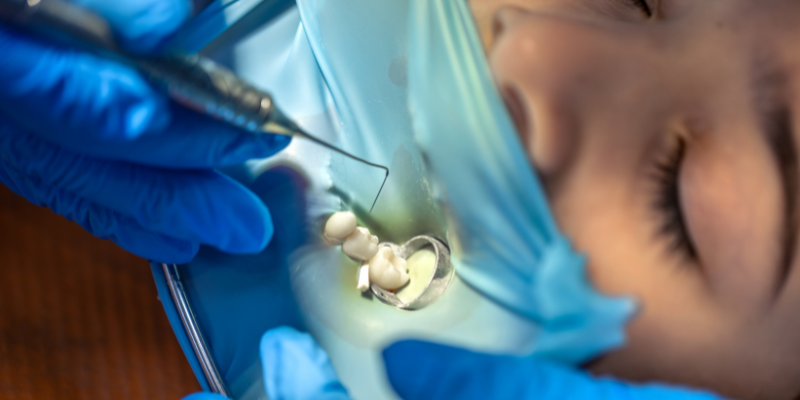
When it comes to treating cavities, one of the most common restorative procedures people look for is dental fillings in Austin. Fillings are effective for repairing decayed teeth, restoring strength, and preventing further damage. Early treatment ensures a healthier smile and helps you avoid more complex dental problems later.
1. Tooth Decay and Cavities
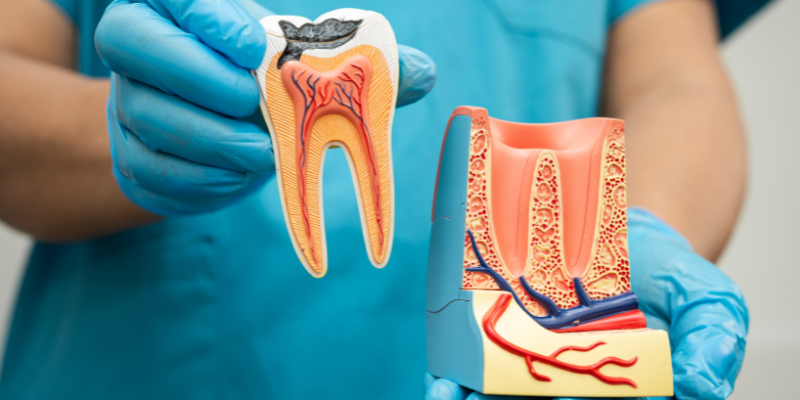
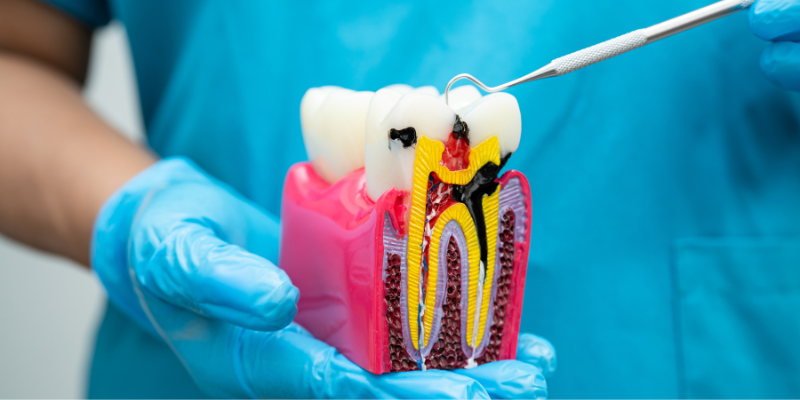
Cavities are one of the most common reasons patients need restorative dentistry. If tooth decay is left untreated, it can lead to pain, infection, and even tooth loss. Dental fillings are often the first line of treatment, restoring the strength and function of the affected tooth. Early intervention with restorative care prevents small issues from becoming major dental problems.
2. Cracked, Chipped, or Broken Teeth
Accidents, sports injuries, or simply biting down on something hard can cause teeth to crack or break. Restorative dentistry offers several solutions, such as crowns, veneers, or bonding, depending on the severity of the damage. These treatments not only restore the tooth’s appearance but also protect it from further damage.
3. Missing Teeth
Missing teeth not only affect your smile but can also impact your ability to chew and speak properly. Over time, tooth loss can lead to bone deterioration and shifting of nearby teeth. Restorative options such as dental implants, bridges, or dentures are designed to replace missing teeth, restore bite function, and prevent long-term oral health issues.
4. Worn Down Teeth
Teeth can wear down over time due to habits like teeth grinding (bruxism), acid erosion, or aging. Restorative dentistry treatments, including crowns and inlays/onlays, can rebuild worn teeth, protecting them from sensitivity, fractures, and further deterioration.
5. Severe Gum Disease and Bone Loss
Advanced periodontal disease can lead to tooth loss and weakening of the jawbone. In such cases, restorative dentistry often works hand-in-hand with periodontal treatments to restore both teeth and supporting structures. Bone grafting and implant placement are common restorative solutions for patients facing bone loss due to gum disease.
6. Infection or Abscessed Tooth
An untreated infection inside a tooth can cause severe pain and pose serious health risks. Root canal therapy is a restorative procedure designed to remove infected tissue, preserve the natural tooth, and prevent extraction. Prompt treatment is essential to save the tooth and protect overall oral health.
7. Functional or Aesthetic Concerns
Sometimes, patients seek restorative dentistry not just for health reasons but also to improve appearance and confidence. Issues such as uneven teeth, gaps, or misshapen teeth can be addressed through procedures like crowns, veneers, or bonding, offering both functional and cosmetic benefits.
Conclusion: When to Seek Restorative Dentistry
Restorative dentistry is essential for anyone experiencing tooth decay, damage, or tooth loss. Whether you need dental fillings in Austin for a cavity, or a more advanced treatment like crowns, implants, or root canal therapy, the goal is to restore your smile and protect long-term oral health. If you notice pain, sensitivity, broken teeth, or missing teeth, don’t wait for the problem to get worse. At Hamilton Dental, we provide personalized restorative solutions tailored to your needs. Contact with us today and let our team help you achieve a healthy, functional smile that lasts.